
He Was Ready to Build. He Just Refused to Build the Wrong Thing.
When Aaron Blaine came to Forward Brands, he wasn’t early; he was ready. He had conviction, urgency, and a deep sense that what he wanted to create mattered. Fathers were drifting. Kids were growing up fast. Time was slipping through fingers. He didn’t want another idea. He wanted something real.
What he thought he needed next was a name. More specifically, he believed he needed to rush one.
He wanted to raise money. To do that, he needed an entity. To get an entity, he felt pressure to pick a name and logo quickly so he could “move forward.” It’s a familiar trap, one founders fall into not because they’re careless, but because they’re serious and don’t want to waste time.
I told him to stop, because rushing identity before clarity is how founders end up rebuilding the same business three times under three different names. It appears to be momentum, but it’s actually debt.
What Aaron needed wasn’t speed.
He needed to slow down to move forward fast.
The Discipline Most Founders Avoid
At Forward Brands, we don’t start with names, visuals, or clever positioning. We start with restraint. We slow founders down long enough to answer the questions most people try to skip:
Who is this actually for?
What problem truly matters?
Where is the market lying, or falling short?
And what can only this brand credibly stand for?
I walked Aaron through our Brand Strategy Sprint and made him a promise I don’t make lightly: if he committed to the work, he wouldn’t just get a brand he liked, he’d get a foundation he wouldn’t outgrow.
That promise wasn’t easy to trust.
By the second week, I could see the frustration set in. He wasn’t questioning the idea. He was feeling the tension every serious founder feels when clarity demands patience. When the urge to execute collides with the responsibility to get it right.
That tension is the work.
And then it broke open.
When the Truth Becomes Obvious
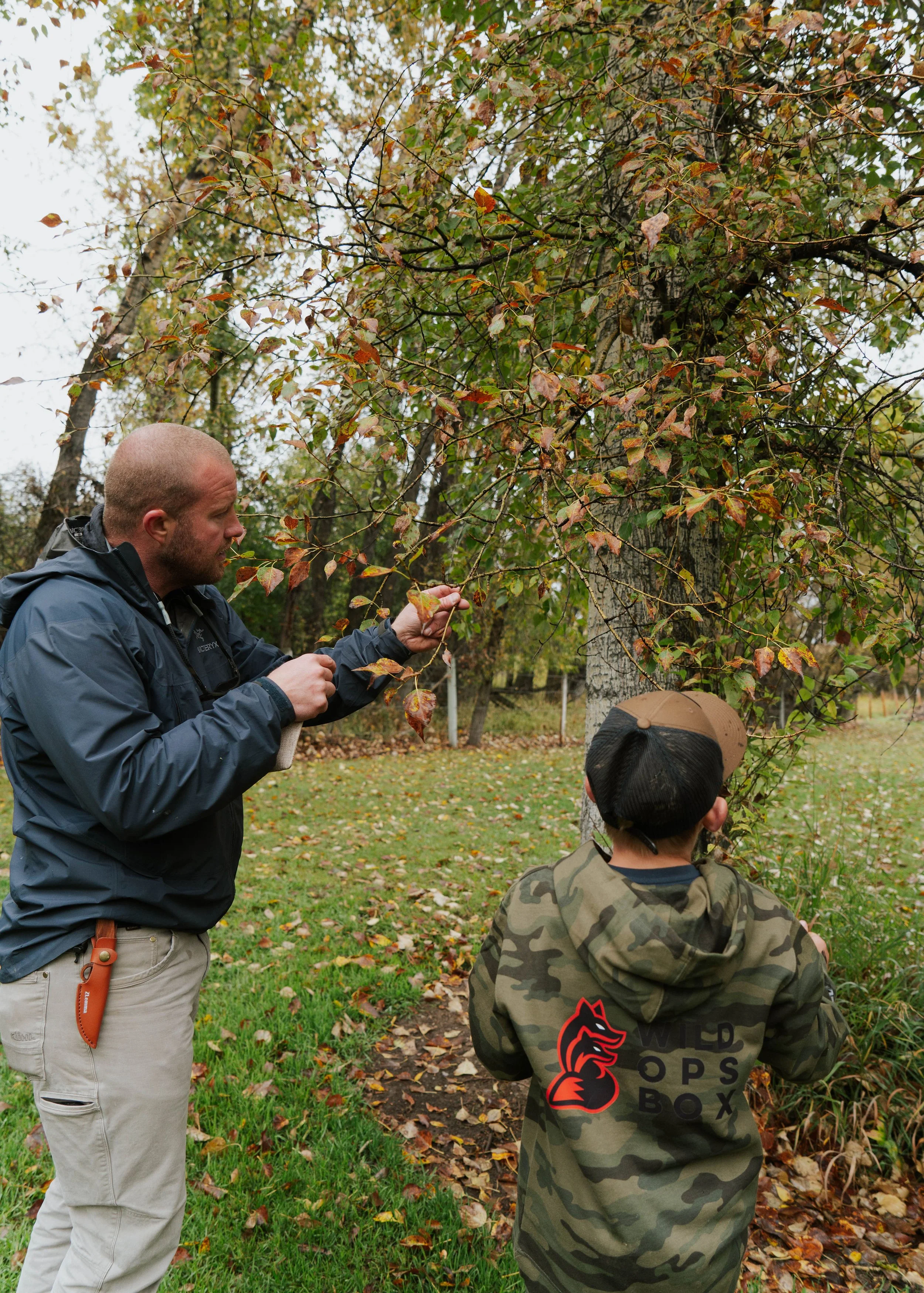
Once we surfaced the real customer insight, everything snapped into focus. Modern fathers don’t lack desire; they lack structure. They want to lead, but the market offers either passive consumption or shallow activity. Most products speak about kids, not to fathers. Most experiences remove dads from the center instead of calling them forward.
Aaron didn’t need to invent a solution. He needed to name what was already true.
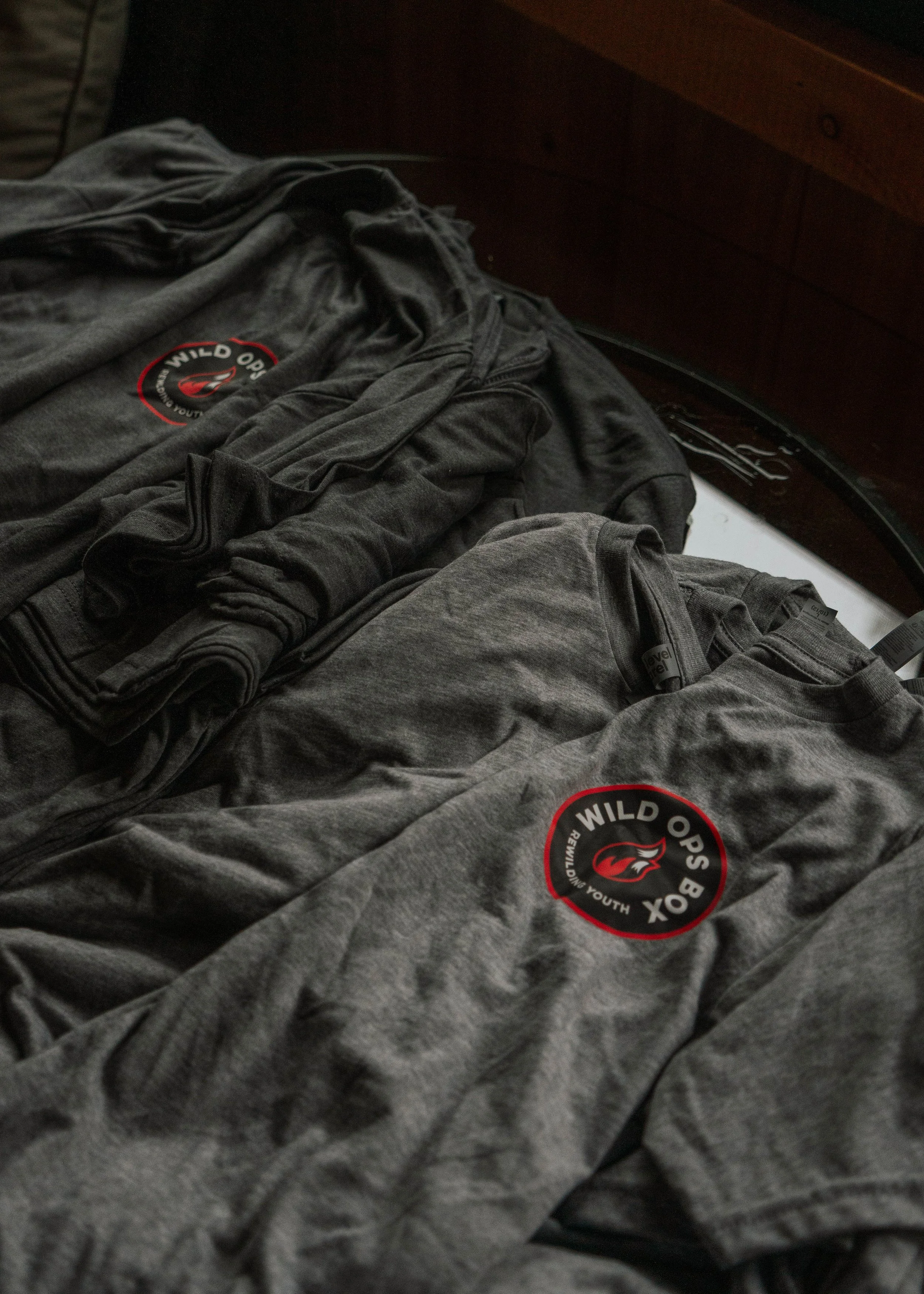
That’s when Wild Ops Box emerged, not as branding theater, but as an inevitable conclusion. The name worked because the strategy worked. The positioning landed because it was anchored in reality. The language carried weight because it showed respect for the man it was speaking to.
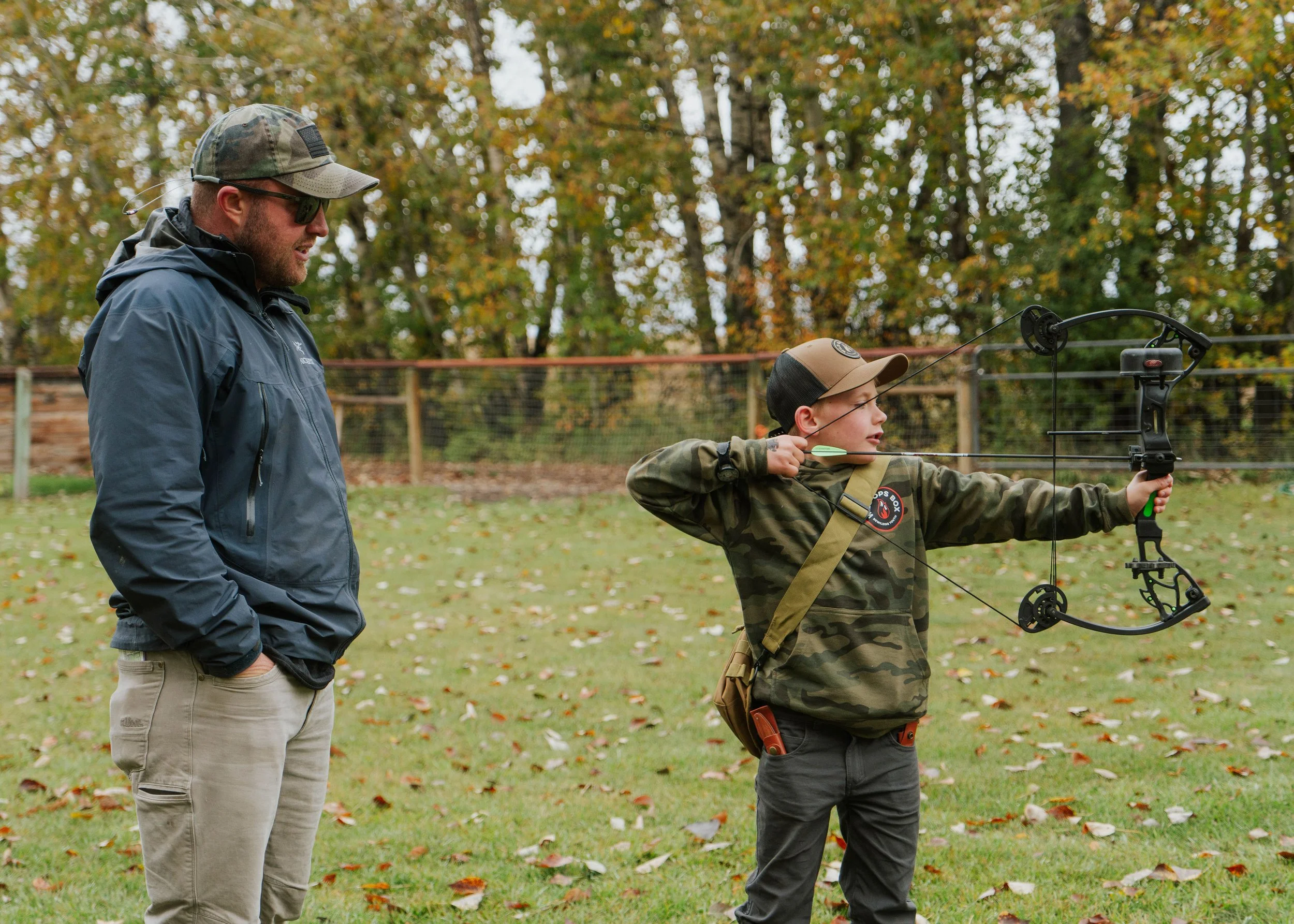
Wild Ops Box was designed to empower fathers to lead in a way that differs from existing solutions on the market. By focusing on differentiation for fathers, Aaron created a monthly subscription that turns family time into hands-on discovery. Each box is packed with outdoor education adventures and STEM-focused, skill-building challenges that inspire practical learning, confidence, creativity, and meaningful connection between fathers (or caregivers) and their children.
Momentum That Came After the Foundation
Before a full launch, Aaron sold 105 subscriptions in presales without any ads or what someone would pay a marketing agency for. This is what happens when clarity is put to work, making the right people say yes quickly. His investment in the Brand Strategy Sprint more than doubled immediately, but that’s the least interesting part of the story.
The real leverage came next.
Once the strategy was complete, Aaron handed it to a web designer and a graphic designer. Their response was immediate and telling. They weren’t guessing. They weren’t interpreting vague directions. They had a clear brief rooted in customer truth, positioning, and message.
The work moved faster, the decisions were cleaner, and the revisions were minimal.
Thousands of dollars in wasted time never got spent, because the thinking had already been done.
This is what founders misunderstand: strategy doesn’t slow execution, it protects it.
Why This Story Should Matter to You
Aaron’s story isn’t exceptional because he’s different. It’s exceptional because he resisted the shortcut.
Most founders rush to build something visible so they can feel progress. The disciplined ones do the quieter work first. They choose clarity over chaos. They build something that can hold weight.
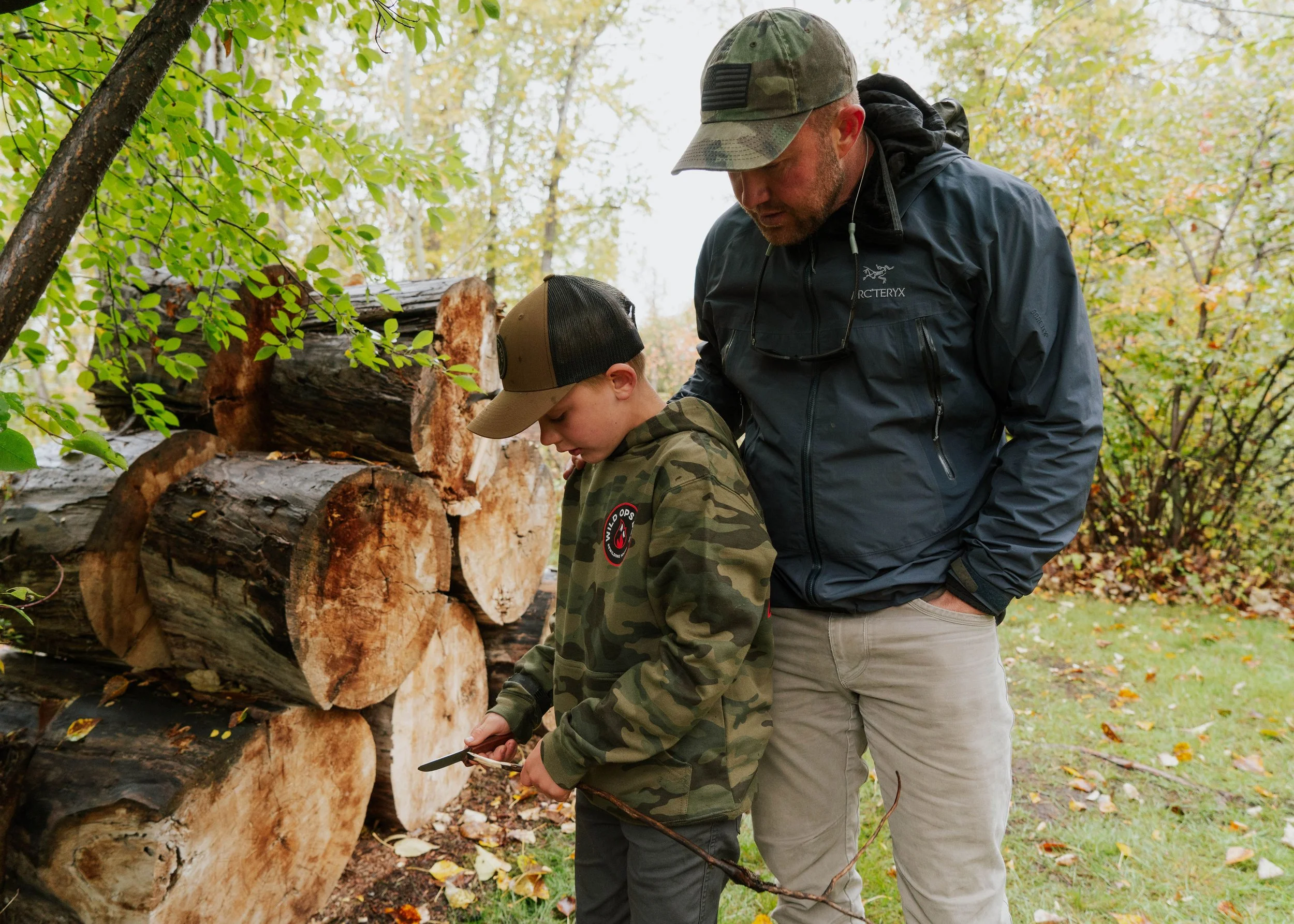
Wild Ops Box works because it was built from the inside out. The brand didn’t create the mission; the mission shaped the brand. That foundation will carry this business for years, across products, partnerships, and growth, without constant reinvention.
If you’re a founder feeling that familiar pressure to rush, this isn’t just Aaron’s story. It’s a mirror.
And if you’re a father looking for a meaningful way to lead, connect, and build something that lasts with your kids, Wild Ops Box is worth your attention:
👉 https://wildopsbox.com/
This is what happens when you build with discipline first and let momentum follow.